


What You Need to Know About Common Diabetes Myths
Diabetes is a complex condition affecting millions globally. Despite advances in medicine and awareness, many myths persist that create confusion, fear, and stigma. Below, we address seven common myths about diabetes to help clarify the facts and empower you with accurate knowledge.
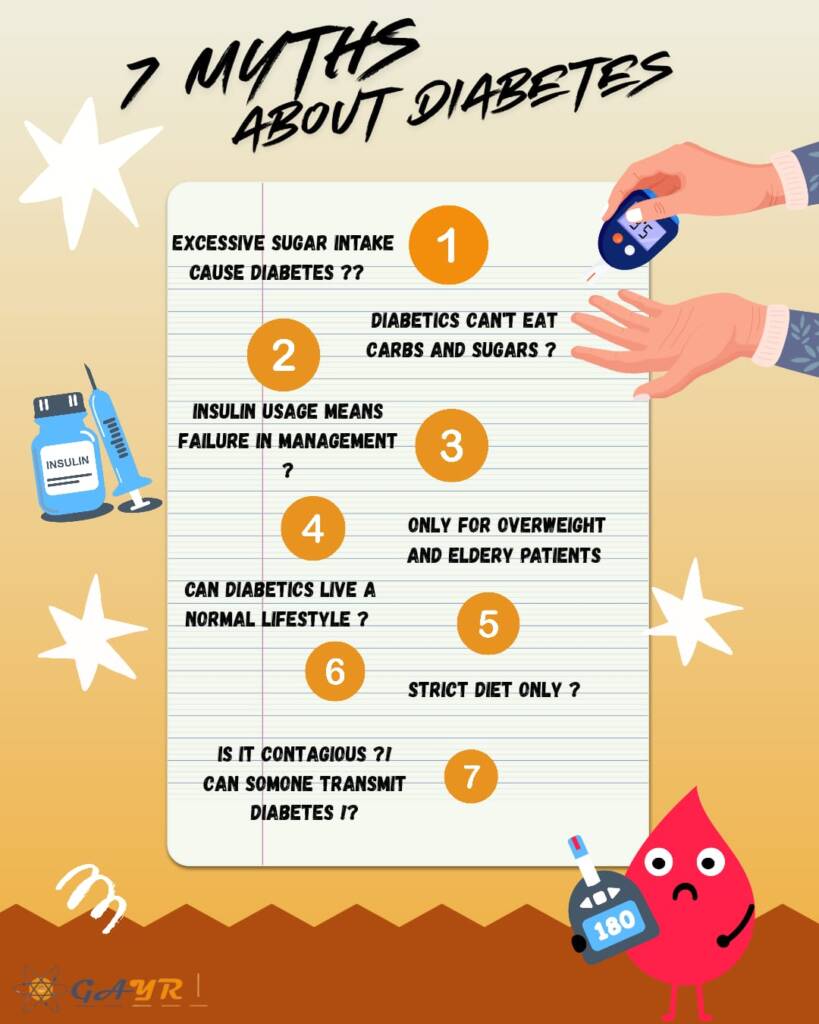
1. Does eating sugar cause diabetes?
No. Eating sugar alone does not cause diabetes. Type 1 diabetes is an autoimmune disease where the body’s immune system attacks insulin-producing cells, unrelated to diet. Type 2 diabetes develops due to a combination of genetics, lifestyle factors like physical inactivity and poor diet, and metabolic changes. Excessive sugar intake may increase risk indirectly by contributing to obesity, which is a risk factor for type 2 diabetes.
2. Can people with diabetes eat carbohydrates or sweets?
Yes. People with diabetes can eat carbohydrates, including sweets, but in moderation and balance. Choosing nutrient-rich carbs such as whole grains, fruits, and vegetables is essential. Monitoring portion sizes and overall carbohydrate intake helps manage blood sugar levels. Total avoidance of carbs or sweets is unnecessary and can make maintaining a healthy relationship with food more difficult.
3. Does using insulin mean failure in diabetes management? No. Insulin is a critical treatment for type 1 diabetes, where the body produces little or no insulin. For many with type 2 diabetes, insulin may become necessary as the disease progresses despite lifestyle and oral medications. Insulin use is not a sign of personal failure but an important tool to maintain healthy blood sugar and prevent complications.
4. Is diabetes only a concern for overweight or older adults?
No. Diabetes affects people of all ages, shapes, and sizes. Type 1 diabetes often starts in childhood or young adulthood and is unrelated to weight. Although being overweight is a risk factor for type 2 diabetes, many people of normal weight develop the condition due to genetics and other factors. Younger people and children are increasingly diagnosed with type 2 diabetes.
5. Can people with diabetes live full, active lives?
Yes. With proper management—including medication, diet, exercise, and regular monitoring—people with diabetes can lead healthy, active, and fulfilling lives. They can work, drive, travel, and participate fully in daily activities without significant restrictions.
6. Does diabetes mean strict, special diets?
No. People with diabetes do not need completely different foods from anyone else. Healthy eating, focusing on vegetables, whole grains, lean proteins, and limited added sugars and unhealthy fats, benefits everyone. Dietary recommendations for diabetes emphasize balance and variety rather than strict diet exclusions.
7. Is diabetes contagious or something that can be “caught”?
No. Diabetes is not contagious. It cannot be caught like a cold or flu. Type 1 diabetes involves autoimmune mechanisms, and type 2 diabetes results from metabolic and genetic factors. You cannot “catch” diabetes from someone else.
Why Knowing the Truth Matters
Myths about diabetes contribute to misunderstanding, fear, and stigma. They can discourage people from seeking diagnosis and treatment, or lead to judgment and isolation. Educating ourselves with accurate facts supports better care, empathy, and healthier communities.
If you or a loved one has questions or concerns about diabetes, the best step is to consult a healthcare provider. They can provide personalized advice tailored to individual needs.
Written by Hoda Mohammed
Illustrated by Youmna Reyad
Reviewed by Mandy Elewa