

Abstract
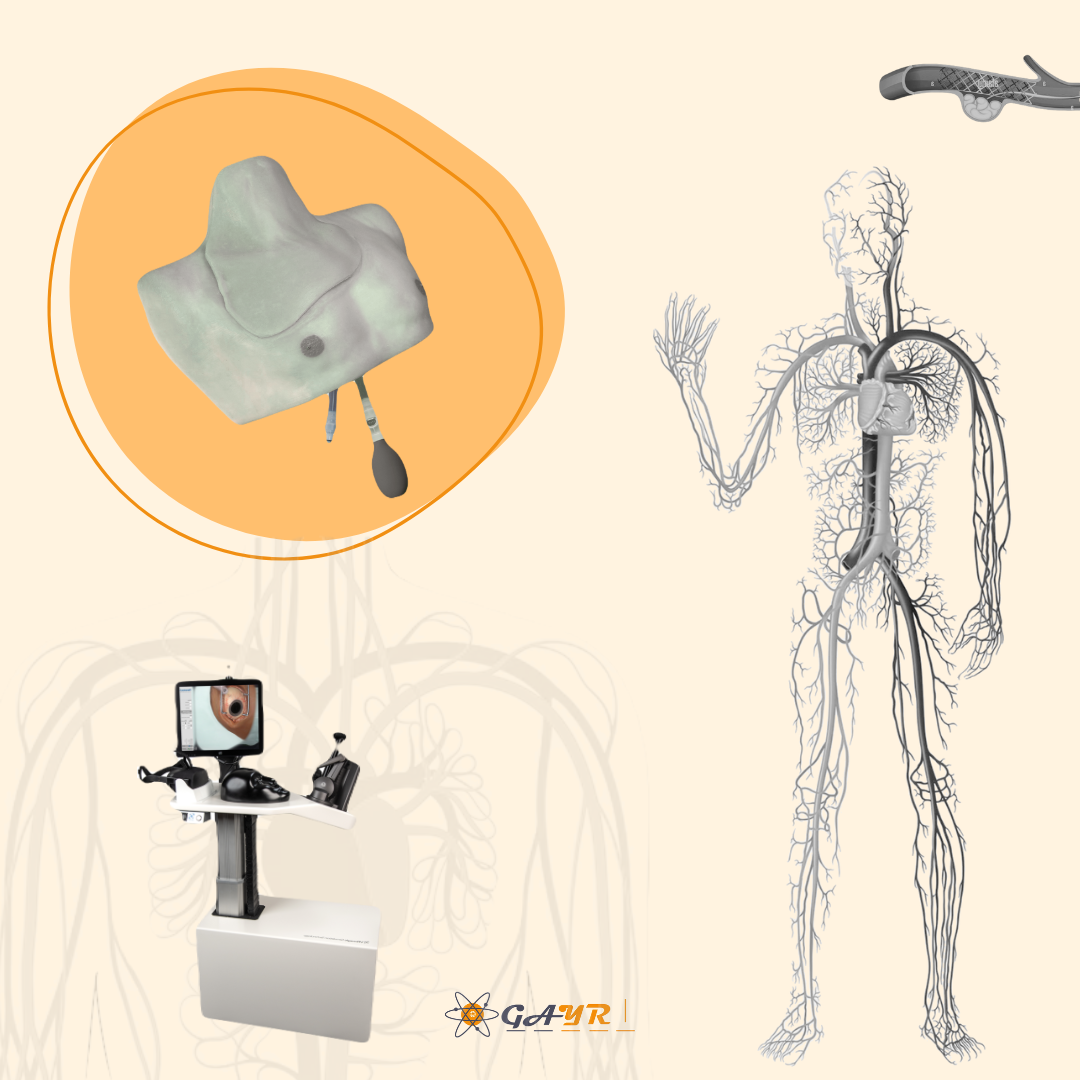
Background In vascular surgery, endovascular procedures demonstrated lower morbidity and shorter hospital stays. However, learning these skills is highly challenging. A new method that offers secure, controlled settings for skill development is simulation-based training. Aim This systematic review aims to examine the different high-fidelity simulation (HFS) programs and their effectiveness in enhancing endovascular skills among vascular surgery trainees. Method A comprehensive literature search was conducted across PubMed, SCOPUS, Cochrane CENTRAL, and Web of Science using PRISMA guidelines. We included all studies of all designs involving high-fidelity simulation in vascular surgery training. The eligibility criteria focused on studies assessing simulation interventions comparing pre- and post-course outcomes. Data extraction was done manually using Excel spreadsheets by two independent reviewers, and quality assessment was performed using a 19-point scale. The studies were also evaluated using Kirkpatrick’s adapted hierarchy based on their educational impact. Result A total of 35 studies met the inclusion criteria, covering a range of simulation modalities, including VR, AR, and physical simulators. The findings demonstrated significant improvements in procedural skills, operation time, operative errors, and participant confidence across all training levels. However, there were great variations in study methods and design, as well as a lack of a specific framework for skill assessment. Conclusions For endovascular training, high-fidelity simulation is a useful tool for skill development. However, Standardized training techniques and additional research are needed to assess long-term skill retention.